Transformation of Bordeaux-Mérignac airport

agap2 is involved in the transformation of Bordeaux-Mérignac airport
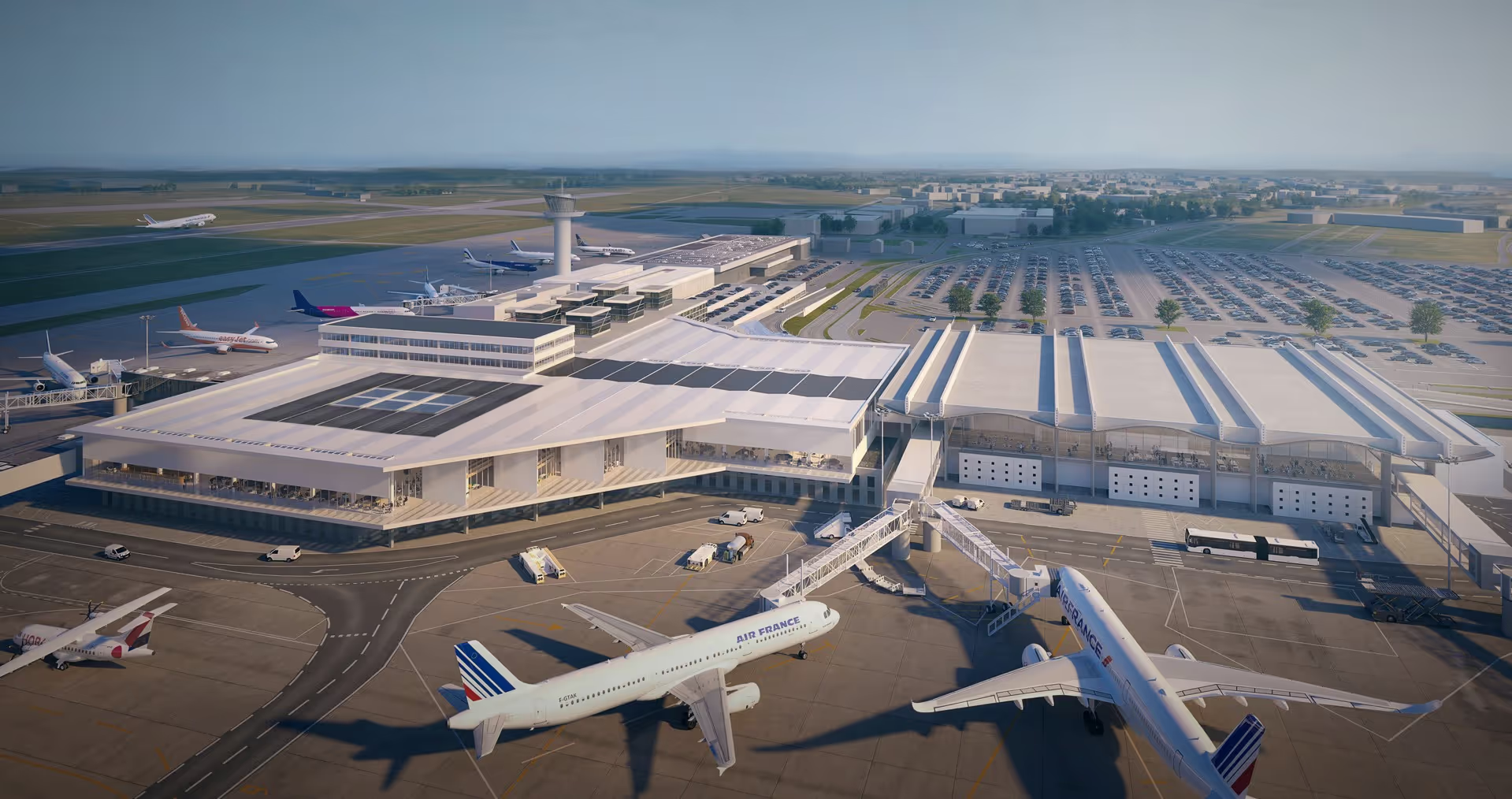
Bordeaux Airport plans to create a flexible central infrastructure between the two historic terminals (halls A and B) by 2028, aiming for the best European standards in terms of passenger experience. The aim is to change the existing model by placing ambitious sustainable development at the heart of every operation. Hugo, an agap2 consultant, has been called in to help with public procurement as part of this colossal transformation.
Restructuring the airport to meet today’s challenges
Bordeaux-Mérignac Airport (SA ADBM) was at the bottom of the league table of European airports, which accentuated the need for restructuring. This project aims to respond to the challenges faced by airports in recent years of reducing their environmental footprint, coping with increasing traffic and better integrating the airport area with the city.
Purchasing processes subject to the French Public Procurement Code
SA ADBM requires a large number of subcontractors and service providers for its operations, covering a variety of fields such as infrastructure, supplies, intellectual services, information systems, etc. As a public limited company subject to the French Public Procurement Code, SA ADBM must comply with three main requirements: freedom of access, equal treatment of candidates and transparency of procedures.
The purchasing department is therefore responsible for carrying out consultations (calls for applications and tenders) and, at the end of the process, drawing up the contracts that will enable SA ADBM to carry out its operations.
The main challenges are to comply strictly with the French Public Procurement Code and to structure the selection processes to choose candidates capable of meeting the airport’s requirements.
Rigorous analysis of calls for tender
“My role is to respond to requests from the airport’s project managers, working in tandem with them throughout the process. I draft the administrative and financial contractual documents for the tender documentation, while the project manager prepares the technical documents. We structure the calls for tender according to the procedure appropriate to the amount, and then I analyse the administrative and financial aspects of the bids received. Finally, I compile the analysis file for the decision-makers, guaranteeing a rigorous procedure that complies with the French Public Procurement Code.
After four months, I am managing around ten calls for tender and have signed two contracts. Working on public contracts requires rigour and care to comply with the principles of equal treatment, transparency and freedom of access. Any error can invalidate a decision, and we therefore have a great responsibility.
I was highly motivated by the opportunity to learn about public procurement and the demands of the project to transform a major airport. This is an particularly stimulating environment!”